Understanding Anxiety: Signs, Symptoms & Support
Learn to recognize the signs of anxiety and discover evidence-based strategies for managing it effectively.

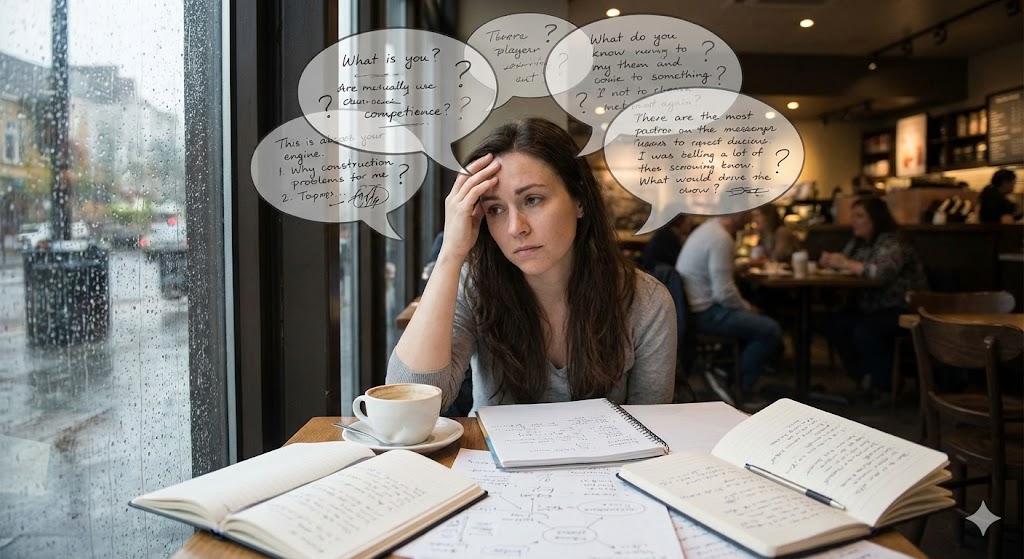
Anxiety is one of the most common mental health conditions in Australia, affecting approximately 2 million Australians each year. While it's normal to feel anxious in certain situations, persistent anxiety can significantly impact your daily life, relationships, and overall wellbeing.
What is Anxiety?
Anxiety is your body's natural response to stress. It's a feeling of fear or apprehension about what's to come. However, when anxiety becomes overwhelming, lasts for extended periods, or interferes with your daily activities, it may be an anxiety disorder.
Common Signs and Symptoms
Physical Symptoms
- Racing heart or palpitations
- Shortness of breath
- Sweating or trembling
- Muscle tension
- Headaches
- Fatigue
- Difficulty sleeping
- Digestive issues
Psychological Symptoms
- Excessive worry that's hard to control
- Feeling on edge or restless
- Difficulty concentrating
- Irritability
- Fear of the worst happening
- Feeling overwhelmed
Types of Anxiety Disorders
- Generalised Anxiety Disorder (GAD): Persistent, excessive worry about many different things
- Social Anxiety Disorder: Intense fear of social situations
- Panic Disorder: Recurrent, unexpected panic attacks
- Specific Phobias: Intense fear of specific objects or situations
- Separation Anxiety: Excessive fear about being separated from loved ones
Evidence-Based Treatment Options
Cognitive Behavioural Therapy (CBT)
CBT is considered the gold standard treatment for anxiety. It helps you identify and change negative thought patterns and behaviours that contribute to anxiety.
Acceptance and Commitment Therapy (ACT)
ACT focuses on accepting difficult thoughts and feelings while committing to actions aligned with your values.
Mindfulness-Based Approaches
Mindfulness techniques can help you stay grounded in the present moment rather than worrying about the future.
Exposure Therapy
Gradual, controlled exposure to feared situations can help reduce anxiety over time.
Self-Help Strategies
- Practice deep breathing: Slow, deep breaths can activate your parasympathetic nervous system
- Regular exercise: Physical activity releases endorphins and reduces stress hormones
- Limit caffeine and alcohol: These can worsen anxiety symptoms
- Maintain a sleep routine: Quality sleep is essential for mental health
- Connect with others: Social support is crucial for managing anxiety
When to Seek Help
Consider seeking professional support if:
- Anxiety is affecting your work, relationships, or daily activities
- You're avoiding situations due to fear
- You're experiencing panic attacks
- You're using alcohol or drugs to cope
- You've had thoughts of self-harm
How We Can Help
At Change Your Mind Psychology, we offer evidence-based treatments for anxiety including CBT, ACT, and EMDR. Our compassionate psychologists will work with you to develop a personalised treatment plan tailored to your specific needs. Wondering how long therapy takes? It depends on your individual needs, but we'll work together to set realistic expectations.
Take the first step towards managing your anxiety – book an appointment today.
Free Resource
Getting the Most from Therapy: Preparation Guide
Prepare for your therapy journey with this comprehensive guide. Includes questions to ask, goal-setting worksheets, and session reflection templates.
ACT
Live a Values-Driven Life
ACT can help you accept what's outside your control and commit to actions that enrich your life.
Available with Brett Mackie